

Moving to the Cloud ERP

Best Practices For Manufacturers Embracing The Cloud

Moving to the Cloud ERP

In the manufacturing industry, efficiency and adaptability are paramount. However, many small to medium-sized businesses struggle because they are using several different applications to manage their day-to-day operations. Inadequate and outdated software can have a huge impact on not just the productivity of manufacturing businesses, but also their decision-making capabilities and flexibility in unpredictable markets.

Instead of adding new applications to your already complicated system, it’s beneficial to invest in a comprehensive solution that covers the whole supply chain. This is particularly useful if your current applications are incompatible and you have limited visibility of vital business information. Manufacturing businesses of all sizes can transform how they do things by simply introducing NetSuite’s ERP solution. This cloud-based system can help you overcome common challenges experienced throughout the manufacturing industry.

Below we have explored why so many businesses are embracing cloud ERP systems and the benefits of swapping your tangled web of applications for one singular system. For anyone new to ERP solutions, we have also put together some advice for making the switch to NetSuite.

The Benefits of Embracing Cloud ERP Software

Moving away from your old way of working can be quite daunting and the thought of a complex ERP implementation can put you off wanting to replace your current applications. However, the NetSuite ERP benefits are impossible to ignore and this 100% cloud-based system can combine all of your separate systems into one efficient solution.

Access to Real-Time Data

Often, old systems will only provide end-of-month reports and accessing up-to-date data is virtually impossible. With cloud ERP, you can access real-time data from any location, which is particularly useful if your business has expanded and opened new locations or if some employees now work remotely. When you have real-time visibility, you can say goodbye to error-prone and out-of-date reports. You will have the information and insights you need to make important business decisions at your fingertips.

Improved Efficiency

Having to manually transfer data between platforms can be a waste of time and it’s infuriating for employees, suppliers and customers alike. ERP systems help streamline operations by integrating all business processes and removing the need for spreadsheets or paperwork. From accounting to order fulfilment, all of your data will be kept on a single platform. You can significantly speed up processes and reduce the risk of human error when you move to a comprehensive NetSuite ERP solution.

Cost-Effective

Although there are up-front costs associated with a new business management solution, cloud ERP software eliminates the need for expensive system maintenance. You won’t have to monitor lots of different applications or have team members trained in each system you use, resulting in significant cost savings. Not to mention, you can ensure that no sales opportunities are being missed due to inconsistencies across applications or hard-to-access data, improving the overall profitability of your business.

Collaboration and Flexibility

When teams are currently using several applications to complete one job or doing more work outside of your system than in it, a comprehensive ERP platform is revolutionary. By integrating various departments on one platform, cloud ERP platforms will make it easy for everyone to do their job. Collaboration and coordination among teams will be seamless, and employees can work from anywhere while still accessing the information they need. You will no longer need to worry about your ability to adapt quickly to changing conditions.

Scalability

With the right software solutions at the core of your business, you won’t have to spend as much time overcoming problems with your technology and finding ways to adapt processes to fit your applications. NetSuite ERP enables you to focus on business operations and you will have everything you need to stay ahead of the competition. As your business grows, your cloud ERP systems can easily scale up to accommodate more users, product lines or operational locations too. So, you can seize new opportunities whenever they arise.

Things to Remember When Moving to a Cloud-Based Platform

Moving to a cloud-based ERP solution is a significant step for any business. While it promises several benefits, there are some key factors to consider during your transition to NetSuite to ensure a smooth and successful implementation:

Understand Your Business Needs

Before choosing a cloud-based ERP solution for your manufacturing business, it’s important to take some time to understand your business’s unique requirements. Identify the problems with your existing applications and clarify what you want to achieve with the new ERP solution. This can help to ensure you’re selecting the right solution for your business at this moment in time.

Choose the Right Partner

Not all cloud ERP solutions are created equal. Make sure you’re searching for a NetSuite partner to assist you with your ERP implementation. Conduct thorough research when choosing a partner too, considering their reputation, customer service and customisation capabilities. Experience in delivering manufacturing projects should be a key determining factor. Discuss any concerns you may have about moving to a new system with the partner and ensure they have a solution to all of your needs.

Provide Training and Support

Transitioning to a new system can be challenging for staff. Ensure that your team is fully equipped with everything they need for a successful move to NetSuite. Provide training sessions to key team members so they know how to use the new system. You may want to consider starting with the basics when you have an ERP system and adding functionality as needed to improve the ease of transitioning too.

Learn More About NetSuite ERP

There is no denying that if your manufacturing business currently uses several different applications, it’s worth investigating the option to move to a comprehensive cloud-based platform. An ERP system can transform the way you work and the benefits of NetSuite can have a direct impact on business success. If you have any questions about NetSuite ERP or the process of implementing a new system into your business operations, our team at OSSM are happy to help.

As a leading NetSuite solution provider, we know how much of a difference ERP systems can make and we have collaborated with an array of companies over the years to help them reap the benefits of a comprehensive cloud-based solution. Our team is passionate about delivering flexible, long-lasting systems and you will be in very good hands when you contact us.
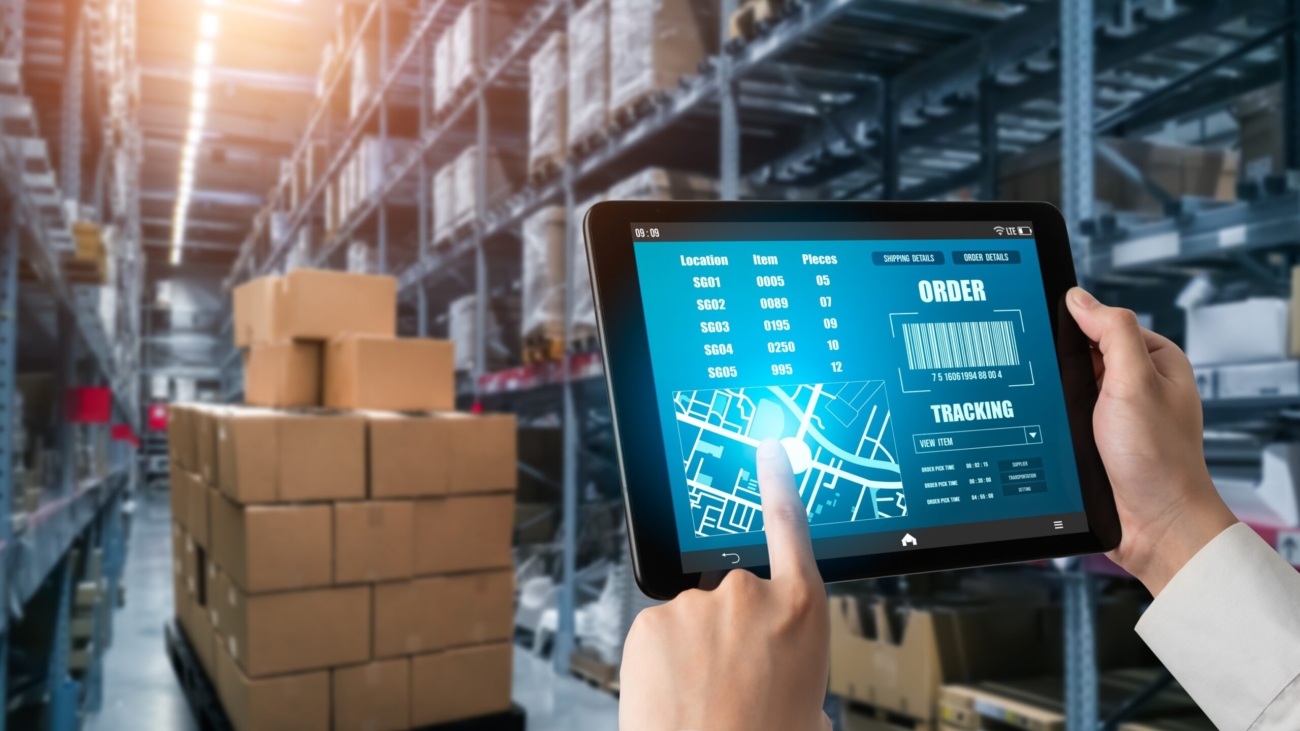
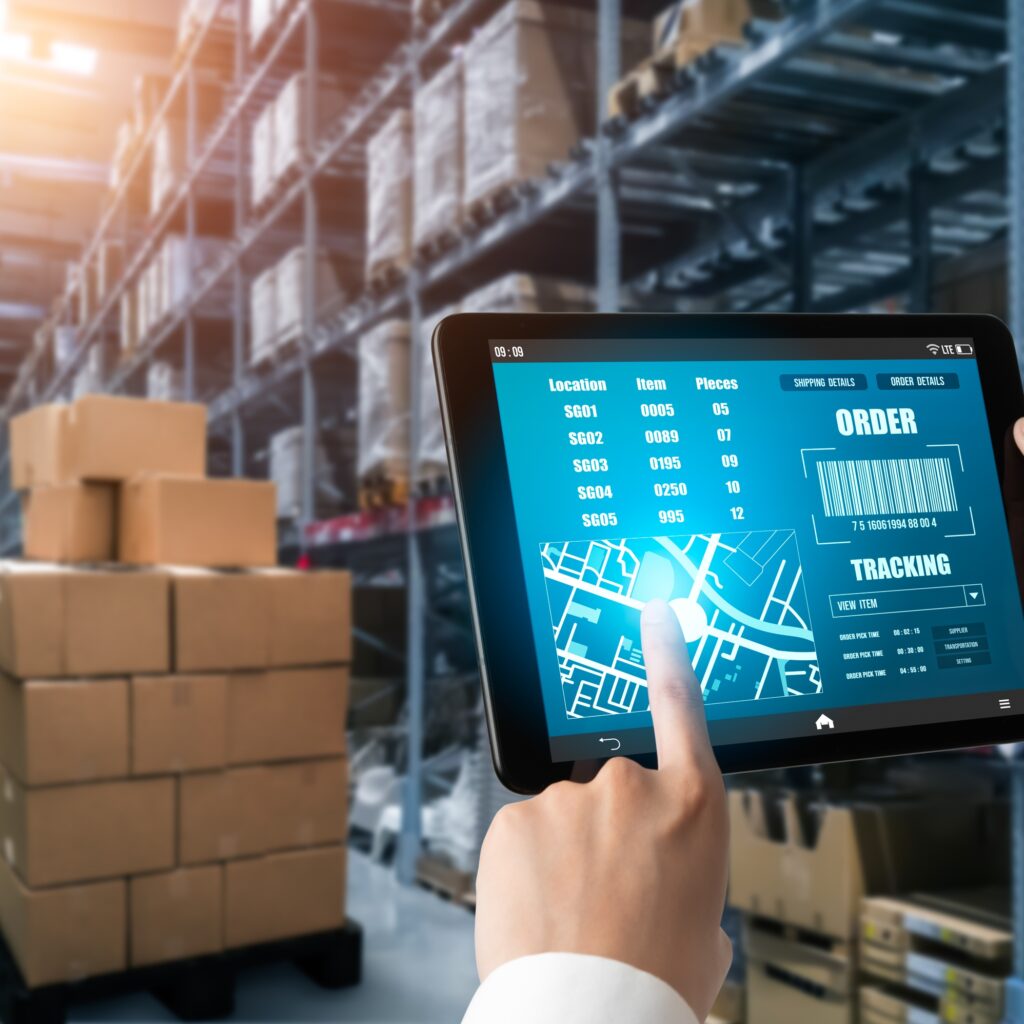
Warehouse,Management,Innovative,Software,In,Computer,For,Real,Time,Monitoring

Is Your Current Inventory Management System Holding You Back?

Warehouse,Management,Innovative,Software,In,Computer,For,Real,Time,Monitoring

Inventory management is a vital investment for manufacturing companies. By utilising advanced inventory management software, businesses can unlock their full potential. This allows them to focus their time and resources on business growth, rather than wasting precious assets on stock management and fixing avoidable errors. As inventory is typically the biggest expense for product companies, it is crucial to give it the attention it deserves.

Although basic inventory management software is better than pen and paper, as a business grows, limitations surrounding this basic software become evident. Companies that depend on manual processes for inbound logistics encounter problems that can result in wasted time, financial losses, and a negative impact on customer satisfaction.

Limitations surrounding out-dated inventory management systems

Limited inventory tracking

Any delay in updating inventory levels after an order is placed can lead to unfulfilled orders and negatively impact customer satisfaction. Studies show just one bad experience is enough to keep more than 60% of shoppers from buying from you in the future. Not only does this impact the business’s reputation, it also wastes their time and money spent in order to correct their mistake.

Without clear strategies for storing inventory, businesses run the risk of misplacing their stock. This can have a negative impact on important operations like production and customer orders, ultimately resulting in inaccurate inventory records.

This issue also links to multi-location inventory tracking. As manufacturing companies continue to grow, it is highly likely that they will expand to more than one location in order to store their stock. Without access to multi-location inventory tracking, the business will have no way of knowing what inventory is available in each location.

Lack of visibility

Accurate and up-to-date inventory records play a vital role in the success of any product-based business. However, it’s not just about knowing how much inventory you have. It’s equally important to have visibility into where your inventory is located, what is currently available, and when you can expect additional inventory.

Inaccurate/incomplete recording of data

If you’re still relying on manual systems to log information as items enter the warehouse, it’s important to understand that your inventory records may not be as accurate as you think. Human errors, outdated information, and incomplete data can all have a negative impact on the customer experience, as well as your productivity and efficiency.

In addition, manually entering newly received items into inventory as they enter the warehouse can cause delays in inventory updates and transactional records. This can occur as inbound staff have to take time to physically receive orders and then update the inventory. This is a time consuming process.

Updating product information, such as price, description, or sizing, will require manual redoing, which can increase the chances of errors. Although it may initially seem like a minor inconvenience, it can quickly escalate to an employee spending hours every week updating and verifying item records and listings – time that could be spent more efficiently.

Messy demand planning

It is essential for businesses to have the ability to analyse the past performance of all SKUs in relation to seasonal patterns, recent fluctuations in demand, and other valuable insights. This knowledge is crucial for effectively managing replenishment and optimising operations. Doing so helps aid customer satisfaction and profitability.

Top 4 reasons why you should choose NetSuite for Warehouse Management

Improved demand planning

NetSuite Demand Planning takes into account past sales, seasonal trends, current opportunities, and projected sales to determine the optimal timing, items, and quantities for placing orders. The system also sends notifications to users when inventory levels drop below predetermined reorder points. This helps reduce costs and improve profitability by minimizing excess inventory and associated expenses, while also preventing missed sales opportunities.

Improved recording of data

Simplifying and standardizing processes with NetSuite WMS can make a big difference in your business. It helps to increase efficiency, minimize errors and incomplete inventory records, and ultimately decrease overhead and warehousing costs. Plus, it ensures that all items are properly entered into inventory and readily available for production or order fulfilment.

The item master in NetSuite gives you one place to manage all product information. Changes to a products’ price, details, pictures or other attributes can automatically be synced to other systems so you’re not wasting time or introducing errors through duplicate data entry.

Improved inventory tracking

The inventory management solution provided by NetSuite keeps track of product movement across multiple facilities and channels in real time. Whether a customer makes a purchase in-store, through a third-party ecommerce marketplace, or an employee transfers stock between warehouses, all updates are instantly reflected in NetSuite. This comprehensive view of available items prevents overselling and ensures quick and accurate fulfilment of customer orders. Additionally, it helps reduce costs by utilising inventory available.

Optimisation of warehouse space

Warehouses and premises for storing stock can be a significant expense for manufacturing companies. As mentioned earlier, when a business grows, it may require multiple locations to accommodate its inventory. That’s why it’s crucial to make sure that the space being paid for is utilised efficiently. NetSuite WMS enable users to optimise warehouse space, ensuring that items are stored in the most appropriate manner. Additionally, it helps ensure that the warehouse has enough space to accommodate incoming shipments.

An optimised warehouse layout identifies fast-moving inventory and strategically places it near fulfilment areas, eliminating the need for pickers to tirelessly search the entire warehouse multiple times a day to retrieve popular items. NetSuite’s bin management functionality tells workers where to store each product, minimising the chances of misplaced or lost items.

Working with OSSM as a NetSuite provider

Ultimately, improving inventory management is a worthwhile investment if you want your business to reach its full potential. If you’re interested in NetSuite business software and want to learn how it can benefit your operations, feel free to reach out to our team at OSSM.

As a trusted NetSuite Solution Provider in Ireland, we’re committed to delivering flexible and long-lasting cloud solutions that meet your specific needs. Our dedicated team is here to support you with your NetSuite project and assist you in finding the best solutions. We can even offer you a NetSuite product tour to help you determine if it is the right fit for your business.

To learn more about NetSuite for Manufacturing why not come to this years ERP Head to Head where we will be giving a demo on this topic?

Or come by our stand and have a chat to a member of our team about your requirements.

To register, just click below and don’t forget to use promo code OSSM20 for an early booking discount.