

Businessman working in robotic factory using Manufacturing Software Systems

Manufacturing in a Volatile World: How NetSuite Supports Modern Manufacturers

Businessman working in robotic factory using Manufacturing Software Systems

Manufacturing has always operated under pressure from rising costs, global competition, and complex operations. What has changed is the pace of disruption. Raw material prices can fluctuate with little warning, customer expectations continue to increase, and even small delays can cascade across supply chains. In this unpredictable environment, spreadsheets, ageing systems, and disconnected tools no longer provide the level of control manufacturers need to remain competitive.

Modern Manufacturing ERP systems now sit at the centre of operational decision-making. They support organisations in maintaining oversight, acting on reliable data, and adapting more quickly to shifting conditions. NetSuite Manufacturing delivers a cloud-based platform that connects essential business functions in one system, enabling manufacturers to strengthen agility, improve visibility, and maintain structured operations without adding unnecessary technical burden.

Manufacturing in an era of volatility

Manufacturers are operating in one of the most uncertain commercial environments in decades. Ongoing volatility is putting sustained pressure on margins and requiring frequent adjustments to production plans and supply strategies.

Key challenges include:

• Unpredictable material, labour, and energy costs, making it harder to manage budgets and preserve margins

• Growing international competition, with customers expecting faster turnaround times, reliable delivery, and consistent quality, often at reduced prices

• Persistent supply chain disruption driven by geopolitical tensions, logistics constraints, and supplier instability, increasing the need for flexible planning

• An ageing workforce and changing expectations, with younger employees favouring intuitive, cloud-based systems over traditional on-premise tools

Together, these pressures are reshaping how manufacturers view technology. Business leaders are reassessing their Manufacturing Software Systems and recognising that fragmented platforms limit responsiveness and obscure the true impact of operational change. This is accelerating the transition towards modern Manufacturing ERP solutions that provide a single, dependable view of activity across the organisation.

How manufacturers stay in control despite volatility

Although many external forces remain beyond a manufacturer’s influence, successful organisations are concentrating on the areas they can manage directly. Increasingly, this involves investing in Manufacturing ERP systems that support faster decisions and more stable operations.

Key areas of focus include:

Faster, data-driven decisions on the shop floor
Live visibility of production performance and stock levels allows teams to address issues as they arise, rather than relying on delayed or manual reporting.

Improved visibility within the business
When production, inventory, supply chain, and finance operate on one platform, manufacturers gain clearer insight into how changes in one function affect the rest of the organisation.

Balanced teams supported by automation
Reducing manual processes and limiting spreadsheet use enables teams to manage higher workloads with fewer errors and less rework.

Technology designed for operational users
Modern ERP systems are built with usability in mind, reducing administrative effort and improving system adoption across frontline teams.

By strengthening these controllable areas, manufacturers can develop greater resilience and adaptability, even when external uncertainty persists.

NetSuite manufacturing for modern businesses

NetSuite Manufacturing is designed for growing organisations that require cloud-based ERP capable of enhancing control, visibility, and scalability without creating an overly complex IT environment.

As a unified cloud platform, it integrates finance, inventory, production, supply chain, and warehouse management into a single system. This replaces disconnected Manufacturing Software Systems and enables teams to work from one consistent and reliable data source rather than juggling multiple tools and spreadsheets.

Because it is delivered as a cloud service, NetSuite Manufacturing is simpler to deploy, maintain, and expand than traditional on-premise solutions. It is particularly suited to mid-sized manufacturers seeking enterprise-level capability without the expense, rigidity, and ongoing maintenance demands of heavily customised legacy platforms.

AI, automation, and the future of manufacturing ERP

Technology delivers real value only when users are confident working with it. A cloud-based ERP such as NetSuite provides a stable operational foundation, offering secure access to information and processes from any location.

Automation within NetSuite reduces manual workloads, supports structured approval processes, and promotes consistent execution across manufacturing operations. This is especially valuable for expanding organisations that must achieve more with leaner teams and cannot afford inefficiencies caused by disconnected systems.

As NetSuite continues to introduce AI-driven capabilities into planning, reporting, and inventory management, manufacturers can move towards more predictive and proactive ways of working without adding separate applications. The platform’s modular structure also allows businesses to adopt core functionality first and extend into areas such as warehouse management as requirements evolve.

Why work with OSSM?

Selecting the right ERP platform is only one part of the process. The way it is implemented and aligned with existing business practices determines whether it becomes a strategic enabler or simply another piece of software.

At OSSM, we are a NetSuite ERP partner supporting manufacturing organisations across Ireland. Our approach starts with understanding how your business operates today, identifying where improved visibility and control are needed, and determining how NetSuite Manufacturing can support long-term growth.

We configure the platform around real operational processes, ensuring it enhances efficiency while delivering the reporting and insight management teams require.

If your organisation is navigating continued volatility and exploring modern Manufacturing ERP systems, speak to us today.

About the Author

Picture of Rob Van Der Velden

Rob Van Der Velden

Rob Van Der Velden is a Consultant at OSSM, specialising in NetSuite implementation project management. He oversees the entire process from pre-sales to training, with expertise in Manufacturing, Project Management, Service Management, CRM, and Distribution & Warehouse Management. Rob excels in workshops, process definition, data migration, customisation, and change management, providing strategic guidance to optimise business processes.
Close-up of laptop with creative AI brain circuits showing NetSuite ERP embedded intelligence

AI vs Copilots: What Matters for Organisations in 2026, and How NetSuite Stands Out

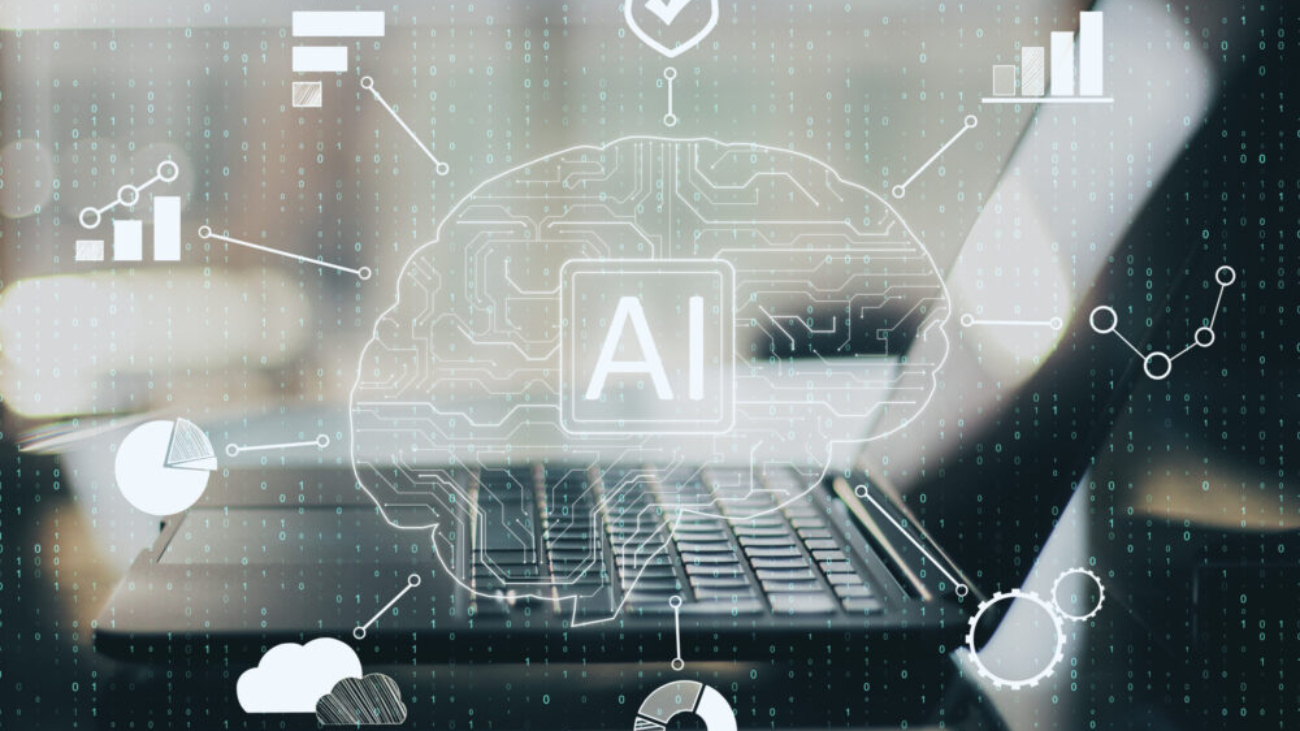
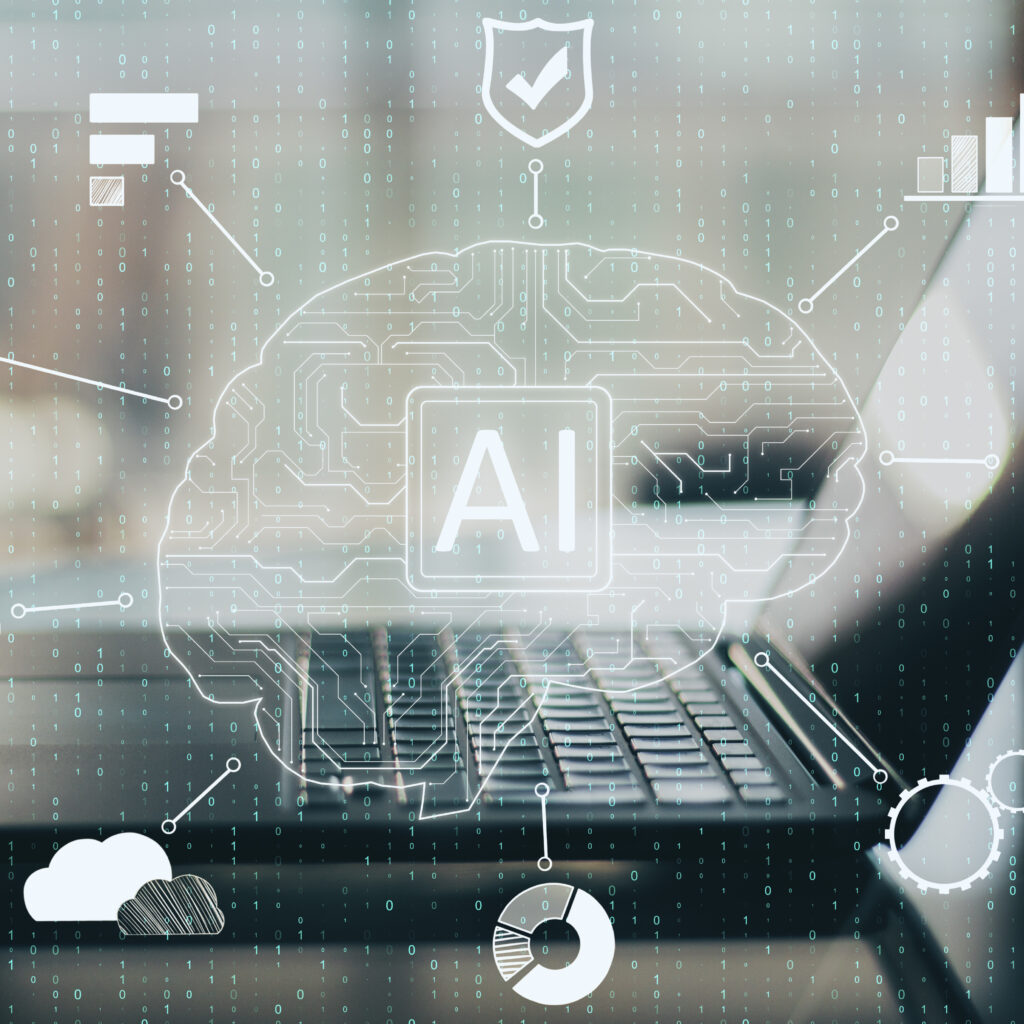
Close-up of laptop with creative AI brain circuits showing NetSuite ERP embedded intelligence

AI is one of the most talked-about technologies in business today. The real test in 2026, however, is whether it can move beyond pilots and proofs of concept to become a dependable part of everyday operations. For organisations looking to adopt AI at scale, the key is embedding it into the systems and workflows they use every day, rather than treating it as a separate tool. 

NetSuite ERP is designed precisely for this shift: from experimentation to execution. Rather than positioning AI as a standalone copilot or add-on, NetSuite embeds intelligence directly into workflows, making real-time insights, automation, and anomaly detection available exactly where work happens. This integration allows teams to act on data without leaving the system, turning AI from a concept into operational reality. 

AI, Copilots, and Embedded Intelligence 

To understand how AI can be applied effectively, it helps to distinguish three broad categories: 

  • General-purpose AI 
    Typically accessed through public tools, general-purpose AI is useful for idea generation and drafting content but is rarely integrated into ERP workflows within a secure, governed environment. 
  • Copilots 
    These digital assistants support everyday tasks by providing answers, automating actions, and offering contextual insights. They often sit on top of systems rather than being embedded in core processes. 
  • Embedded intelligence 
    AI woven directly into software and workflows enables systems to learn, adapt, and make decisions without constant external input, delivering outcomes in real time. 

NetSuite spans all these categories, but it particularly stands out for embedded intelligence. Ask Oracle, the natural language assistant in NetSuite, allows users to search, navigate, analyse, and act using plain language while staying fully within the ERP context. It provides context-aware answers and reasoning that explain the “how” and “why” behind every response, making collaboration with NetSuite seamless. 

This approach differs from standalone copilots that focus mainly on answers or content. With NetSuite ERP, AI becomes a part of everyday work. Wherever you are in the ERP system or whatever task you’re performing, Ask Oracle is there to assist, providing guidance and insights in real time. 

What really matters in 2026 

For leadership teams, the conversation has shifted from “should we use AI?” to “where can AI create repeatable value in our business?” The emphasis is now on defining clear, practical use cases that link directly to measurable outcomes, such as faster month-end close cycles and improved forecast accuracy. 

To deliver meaningful impact, AI must scale beyond individual productivity tools. It needs to be embedded into the systems that already underpin operational and financial control. When core workflows benefit from embedded intelligence, it can significantly enhance operational efficiency across the organisation. 

At the same time, responsible adoption is essential. Governance, security, and data integrity cannot be afterthoughts when AI influences decisions affecting cash flow, inventory, or compliance. NetSuite’s AI capabilities run on Oracle Cloud Infrastructure, providing enterprise-grade performance, security, and resilience, while operating within existing workflows to ensure actions remain within predefined boundaries. 

How NetSuite approaches AI 

NetSuite’s AI strategy starts with a strong foundation: a unified suite, deep industry functionality, and a scalable cloud platform. By bringing financials, CRM, eCommerce, and more into a single system, NetSuite provides a single source of truth for data – an essential prerequisite for actionable AI. 

Building on this foundation, NetSuite delivers practical, workflow-based intelligence rather than standalone copilots, helping teams achieve more in their day-to-day operations. Examples include: 

  • • Exception Management – Continuously scans financial data for anomalies and suggests corrective actions, helping mitigate risk 
  • • Narrative Reporting – Generates narratives, explanations, and visuals from financial and operational data, speeding up analysis and communication 

Beyond assisting with routine tasks, NetSuite AI also acts as an advisor, providing insights and analysis to support informed decision-making: 

  • • NetSuite Planning and Budgeting – Uses AI to identify patterns, trends, and anomalies in datasets, helping finance teams understand the “why” behind numbers 
  • • NetSuite Analytics Warehouse – Employs AI for data discovery, highlighting opportunities and key revenue drivers, supporting decision-making across the organisation 

NetSuite ERP benefits and how OSSM can help 

For organisations evaluating NetSuite ERP benefits, AI is a real differentiator. Embedded directly into the ERP software, it supports finance, operations, planning, and reporting, reducing manual workloads, strengthening control, and enabling teams to make proactive, data-driven decisions. This kind of embedded intelligence can directly improve performance, efficiency, and margins. 

Partnering with experienced NetSuite consulting partners is critical to unlocking these benefits. As a leading NetSuite Solution Provider in Ireland, OSSM specialises in ERP implementations, support, and development. Our team can help design practical AI use cases, configure workflows, and extend NetSuite with industry-specific functionality, ensuring AI aligns with real business processes. 

If your organisation is ready to move from AI experimentation to execution, NetSuite is built for the shift. Speak to our experts to explore how embedded intelligence can enhance efficiency, improve decision-making, and transform your operations. 

About the Author

Picture of Brian Doherty

Brian Doherty

Brian is an experienced Solution Consultant with deep expertise in the ERP software industry, having worked with NetSuite solutions since 2013. Prior to that, he supported and implemented Sage finance and ERP systems. Over the years, Brian has successfully project managed, implemented, and supported NetSuite across a range of industries. He brings a strong focus to business process analysis, working closely with customers to align solutions with their specific needs and objectives.